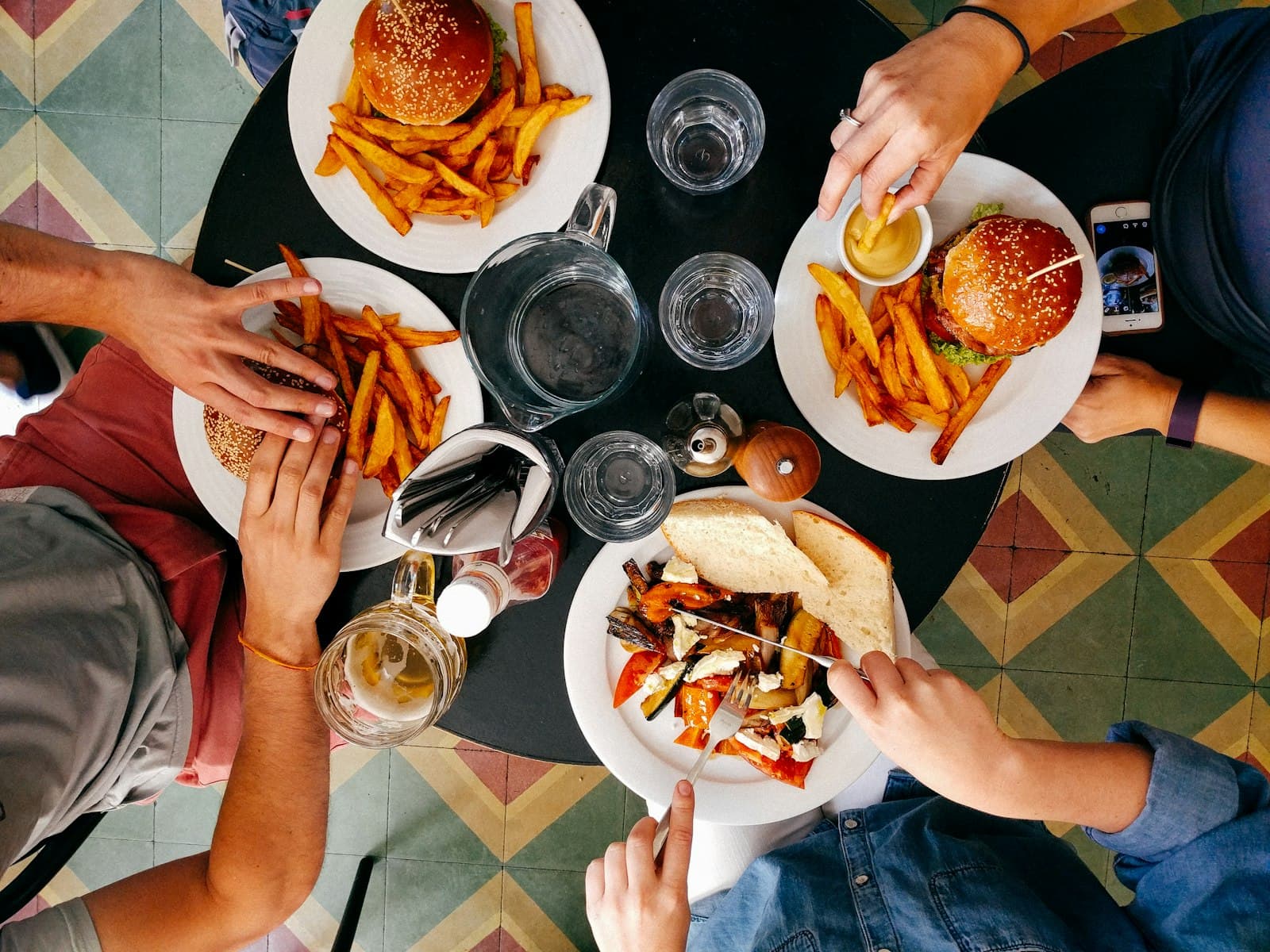
Seasonal launches fail when planning is compressed into the final week. A better process starts early and gives each team a clear role.
4 weeks before launch
Define your core goals:
- Increase margin?
- Drive repeat visits?
- Highlight seasonal ingredients?
Then lock:
- Target items
- Target food cost
- Ideal prep complexity
Do not approve dishes that break prep flow during peak hours.
2 weeks before launch
Run full service simulations:
- Test prep time per dish.
- Validate station load.
- Train FOH on dish descriptions and upsell points.
- Confirm supplier reliability and backup options.
If a dish performs poorly in rehearsal, fix it before print goes live.
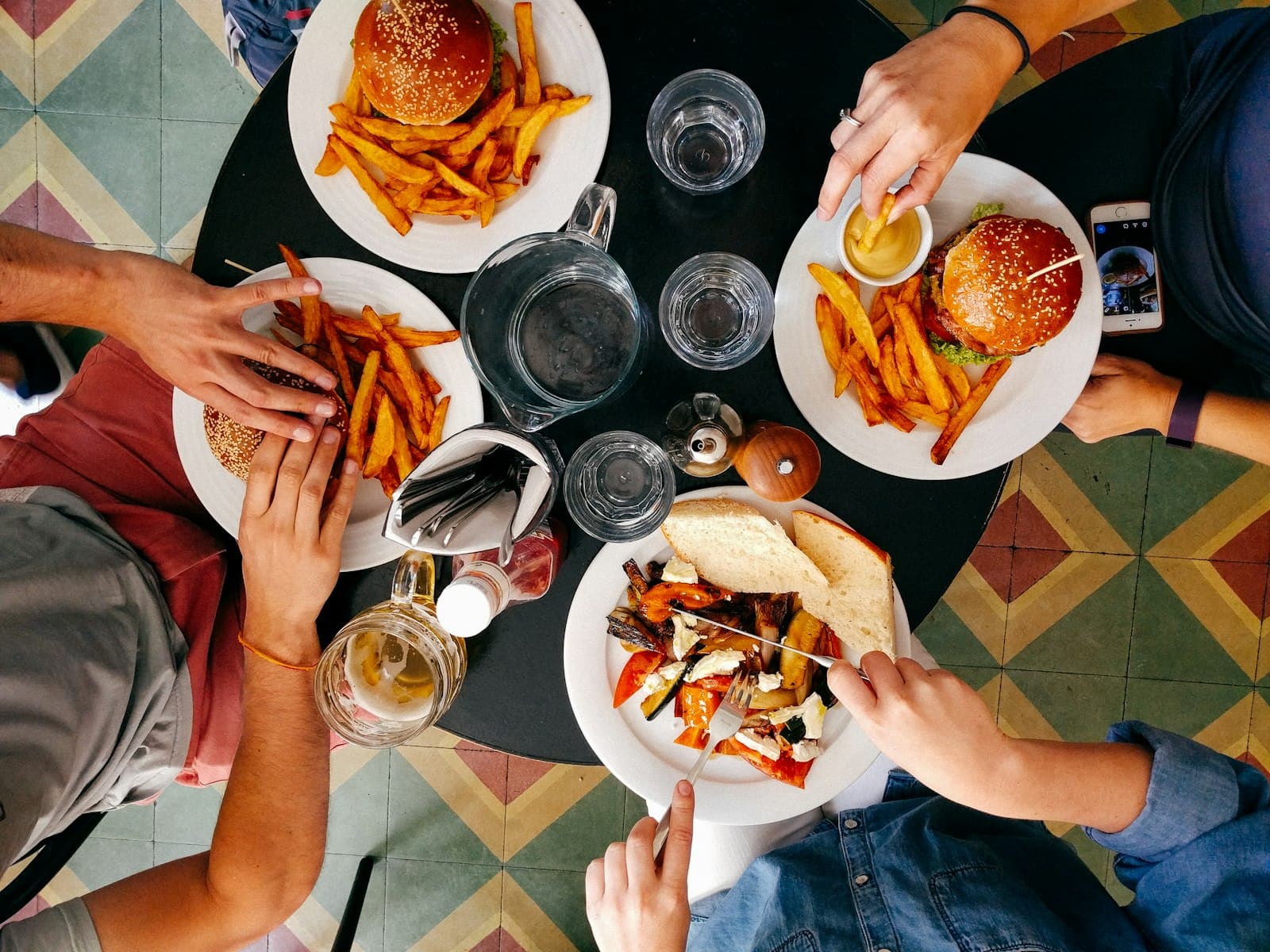
Image source: Unsplash
1 week before launch
Finalize all guest-facing assets:
- Menu naming and descriptions
- Pricing and modifiers
- QR and POS sync
- Allergen labels
- Social and email launch assets
Keep one owner accountable for final quality check.
Launch week
Daily 15-minute standup:
- Which items sold best yesterday?
- Which items caused delays?
- Any frequent guest questions?
Adjust copy, placement, and prep instructions in real time.
Post-launch review (day 14)
Measure:
- Item mix
- Margin by item
- Average check impact
- Waste and stockouts
Keep winners, iterate middling items, and remove weak items quickly.
Final takeaway
A seasonal menu should feel fresh to guests but predictable for your team. Strong rollout systems protect service quality and make menu innovation repeatable.