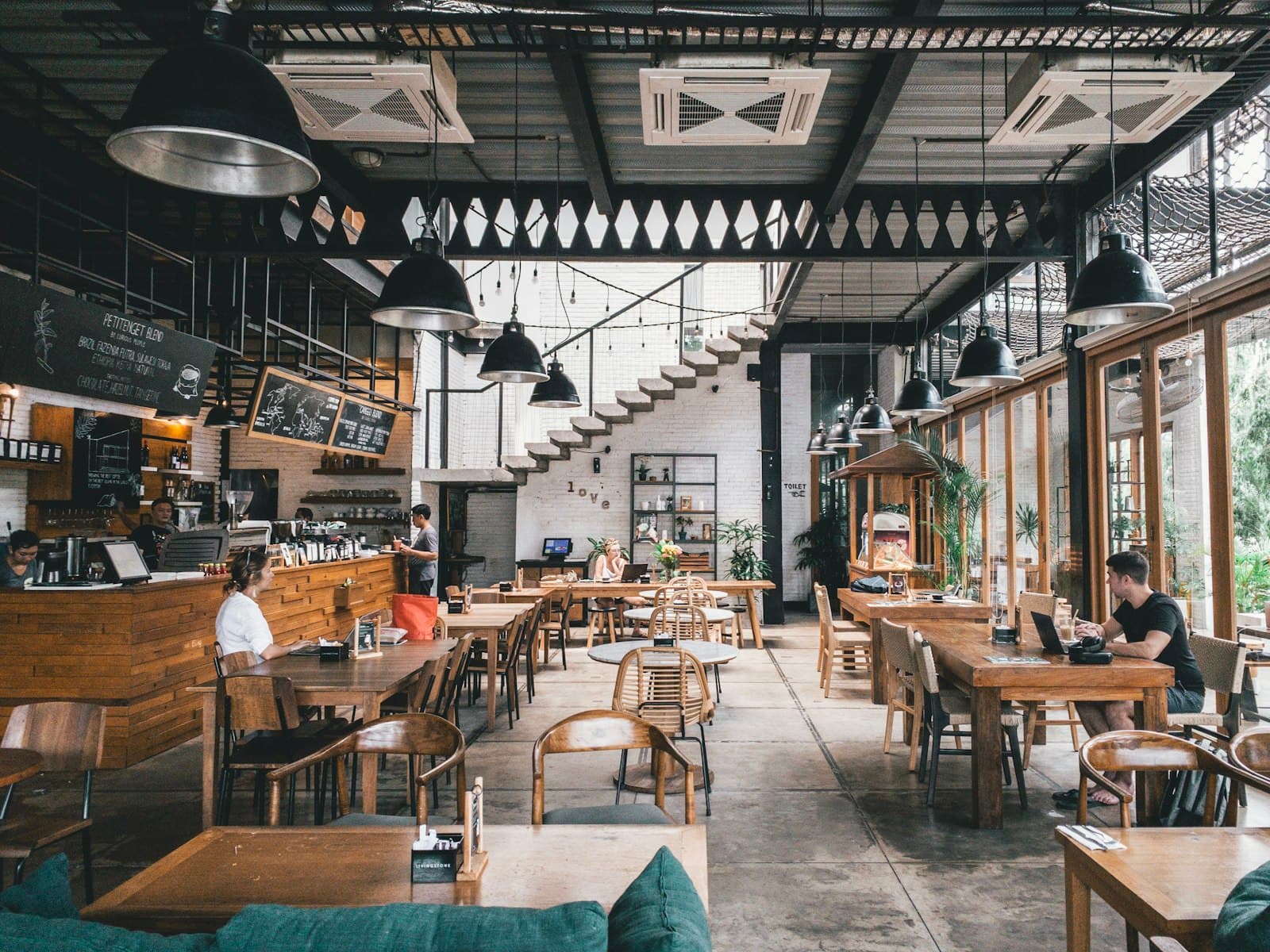
Happy hour should not be a discount event. It should be a traffic engine that introduces high-margin items and drives repeat visits.
Pick the right objective
Choose one primary goal:
- Fill low-traffic time slots
- Introduce new guests to signature items
- Increase bar revenue with pairings
Without one clear goal, discounting becomes random.
Build from contribution margin
Choose items that are:
- Fast to produce
- Easy to batch prep
- Strong in perceived value
Avoid heavy-labor items with thin margins, even if they are popular.
Design smart pairings
Pair one food item with one beverage where both margins are healthy.
Examples:
- Crispy bites + house cocktail
- Flatbread + draft beer
- Small plate + wine pour
Bundles simplify decisions and increase check size.
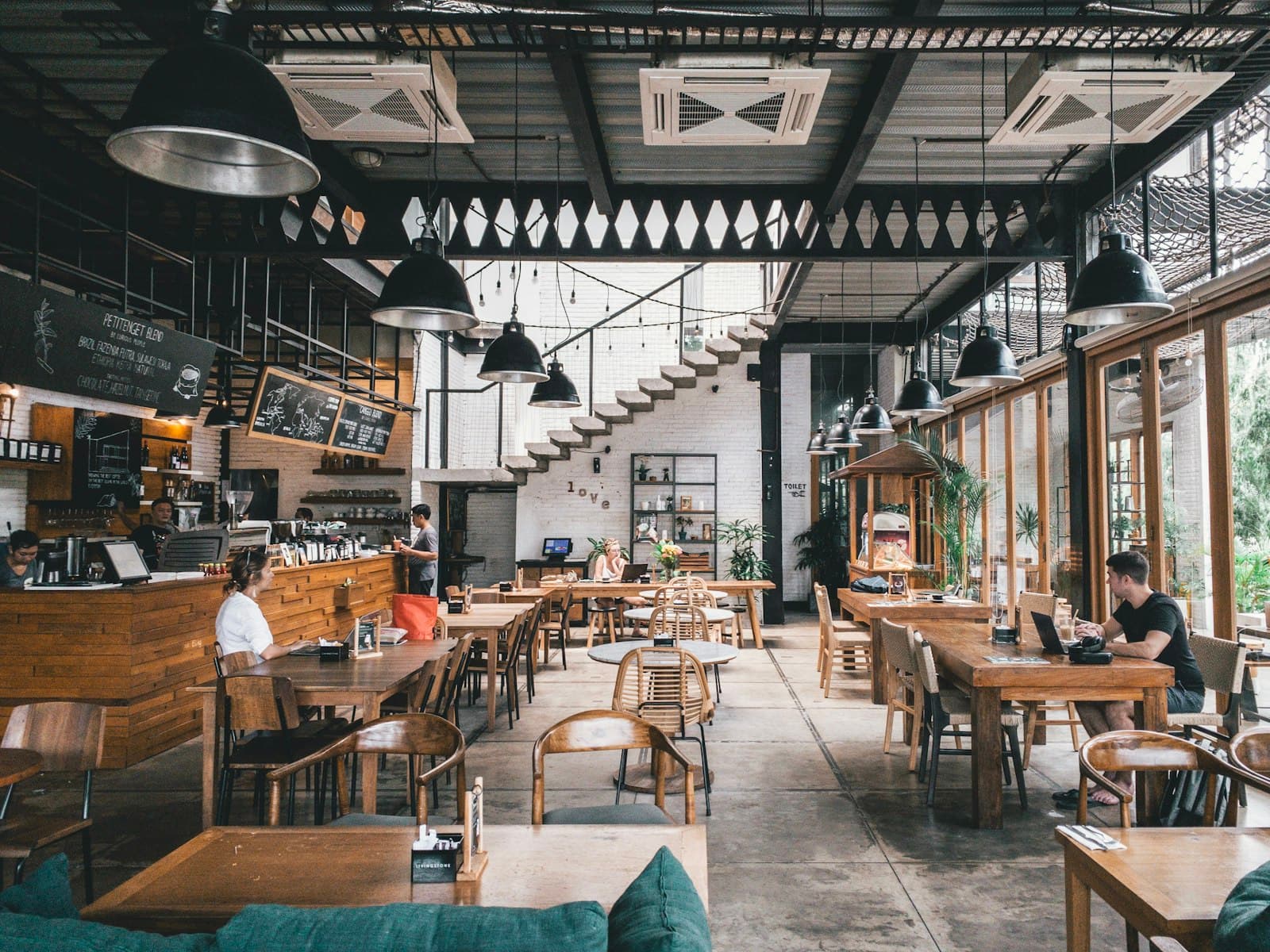
Image source: Unsplash
Keep menu short
Limit happy hour to 6 to 10 SKUs. Too many choices slow service and reduce throughput.
A short menu also helps staff memorize suggestions and upsell naturally.
Train one-line upsells
Give FOH simple lines:
- "Our guests usually pair that with..."
- "Most popular combo tonight is..."
Scripted, short prompts outperform long sales pitches.
Measure the right outcomes
Track weekly:
- Covers during happy hour window
- Average check during happy hour
- Margin per happy hour ticket
- Return visit rate
If traffic goes up but margin drops hard, adjust offer structure.
Final takeaway
A profitable happy hour menu is built for speed, clarity, and margin. Keep it tight, pair intentionally, and measure consistently.