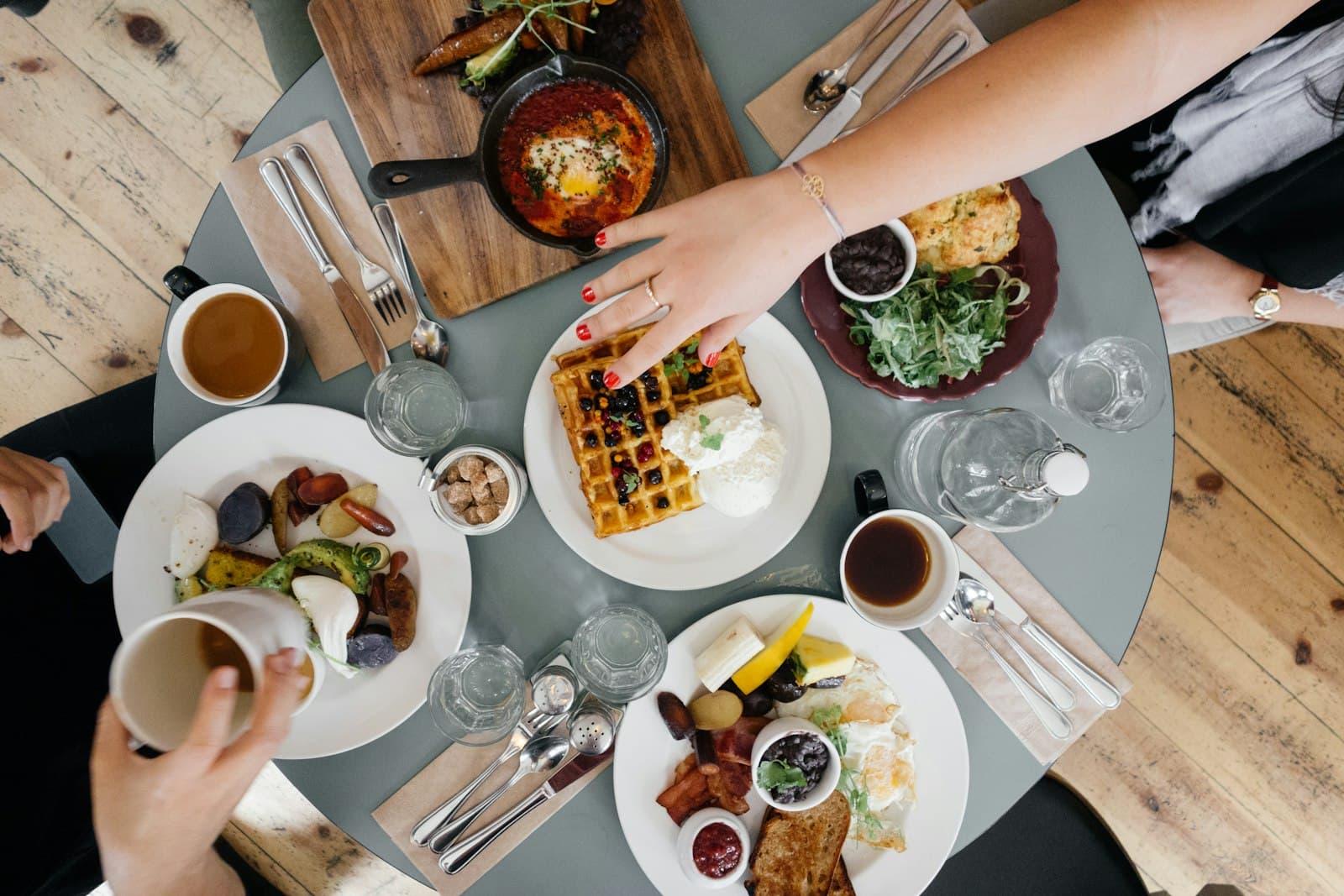
Pricing psychology should make choices easier, not manipulate guests. The best pricing systems increase clarity and margin at the same time.
Use a clear price ladder
In each section, keep three visible tiers:
- Entry option
- Core option
- Premium option
When guests see a clean ladder, they compare logically instead of defaulting to the cheapest item.
Anchor with real value
One higher-priced item can anchor the rest of the section. It should still be a legitimate, high-quality dish. Fake anchors damage trust.
Good anchor examples:
- Steak with premium sides
- Seafood special with seasonal sourcing
- Chef tasting plate
Simplify price display
Avoid visual clutter:
- Keep formatting consistent
- Reduce unnecessary symbols and decimals
- Align pricing for quick scanning
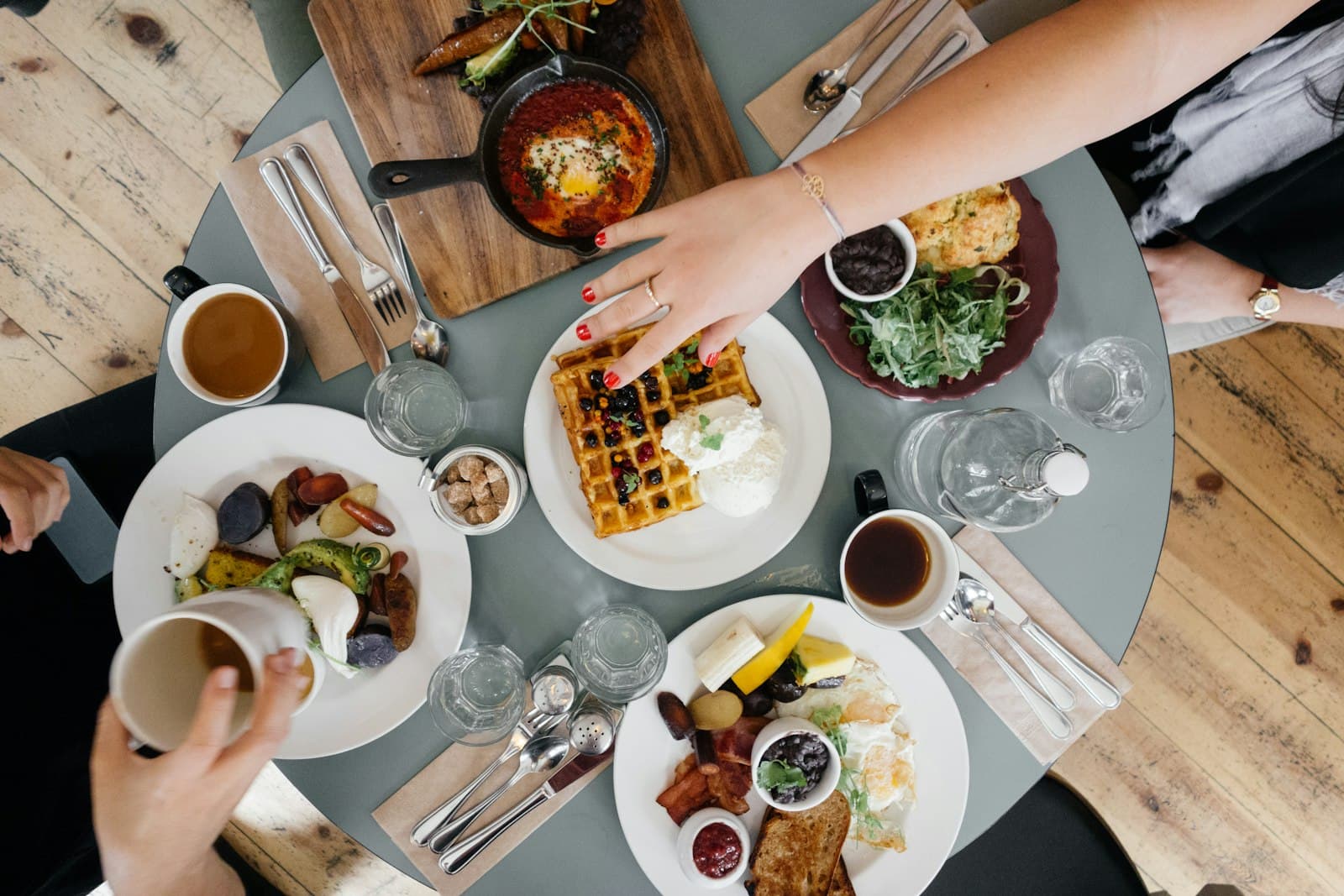
Image source: Unsplash
Bundle intentionally
Bundle where perceived value is high and prep is operationally simple.
Examples:
- Lunch combo: entree + drink
- Dinner add-on: protein + side upgrade
- Family set: shareable starter + two mains
Bundles increase check size while reducing decision fatigue.
Protect margins with small tests
Run one pricing test at a time for two weeks:
- Raise one popular item by a small step.
- Measure mix, volume, and margin.
- Keep or revert based on data.
Frequent small tests are safer than large seasonal price jumps.
Final takeaway
Great restaurant pricing feels fair and easy. If guests can choose quickly and your margin improves, your pricing strategy is working.