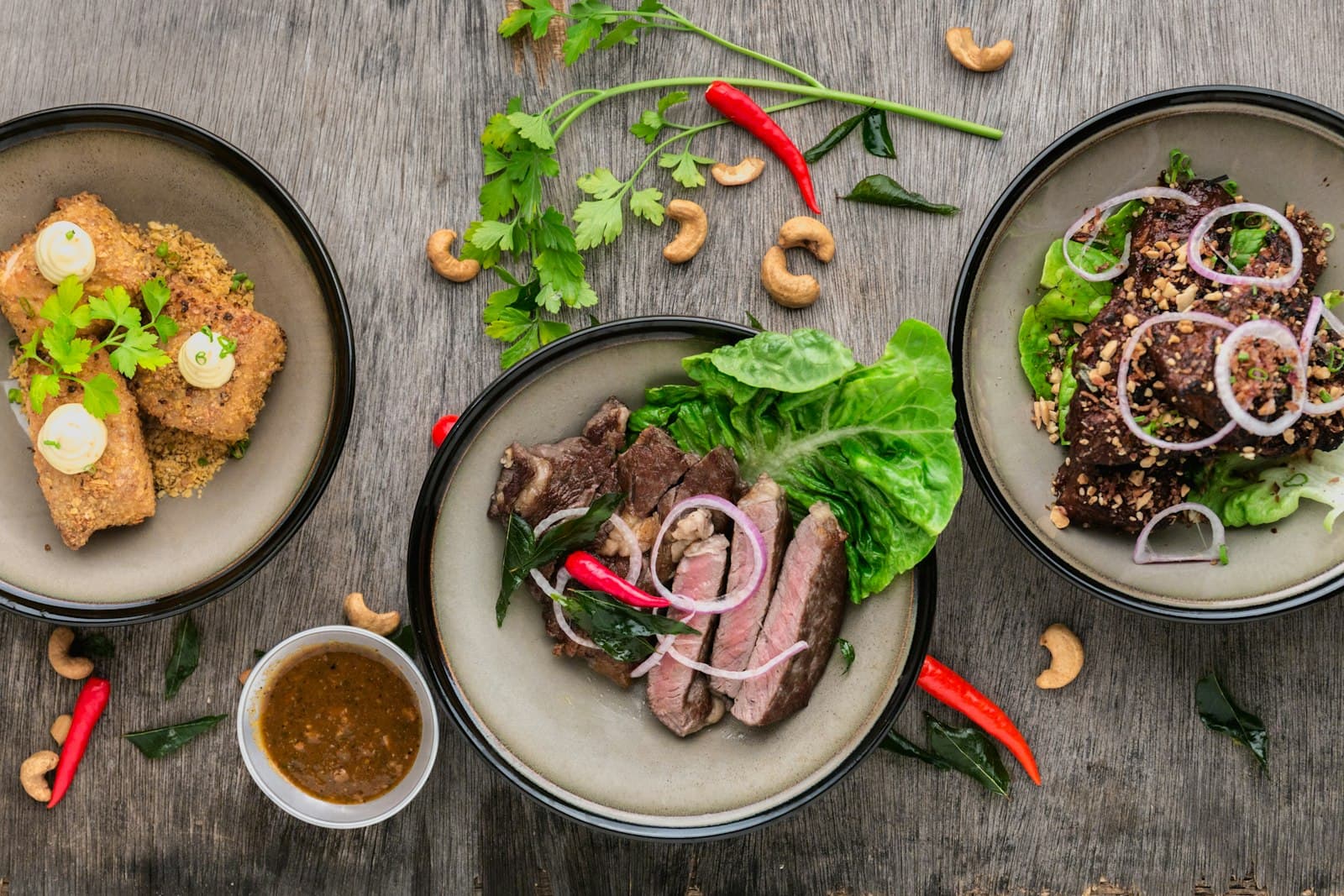
Most menu descriptions fail because they are either too generic or too long. Guests scan quickly. Your copy should help them decide in seconds.
Use this 3-part structure
For each key dish, write:
- What it is (clear product name)
- Why it is different (ingredient, method, or origin)
- Why it is satisfying (texture, flavor, or portion value)
Example:
- Weak: "Chicken sandwich with fries."
- Better: "Crispy buttermilk chicken, house pickles, and chili aioli on a toasted brioche bun. Served with sea-salt fries."
Replace vague words
Avoid words like "delicious," "tasty," or "best." They do not help decisions.
Use specific language instead:
- Cooking method: grilled, slow-braised, wood-fired
- Texture: crisp, tender, creamy, charred
- Flavor cues: smoky, citrusy, savory, bright
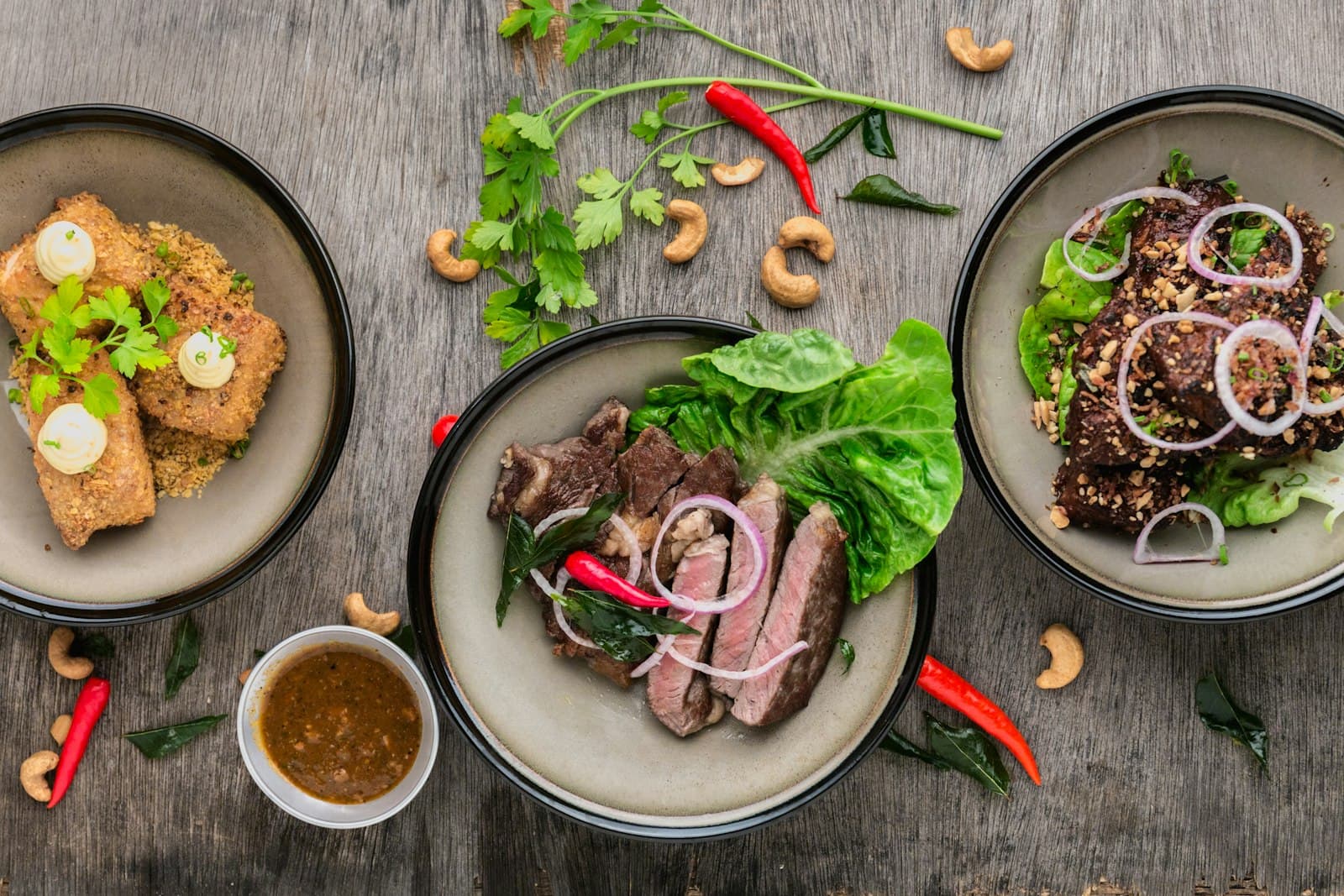
Image source: Unsplash
Keep descriptions short
Aim for one to two lines. If a description takes four lines, reduce it.
A simple rule:
- Signature dishes: 18 to 28 words
- Side items: 8 to 14 words
Short copy improves readability on both print and mobile menus.
Add confidence signals
Use light proof where possible:
- "Guest favorite"
- "Chef recommendation"
- "Top seller this month"
Do not label everything. One to three highlights per section is enough.
Write for mobile first
Most digital menu traffic is mobile. Put key words early:
- "House-made ricotta gnocchi..."
- not "A comforting and rich plate of..."
Front-loaded copy helps guests decide before they scroll away.
Final takeaway
Menu copy is not decoration. It is a sales tool. Better descriptions reduce hesitation, increase confidence, and raise average check without changing your kitchen workflow.