If your menu lives in a PDF or image-only format, search engines cannot understand it well. That limits local discovery.
Use crawlable menu pages
Each major menu section should be readable HTML text:
- Starters
- Mains
- Drinks
- Desserts
Avoid publishing your entire menu only as an image or downloadable file.
Match local search intent
Use natural local phrasing in headings and meta:
- "Italian dinner menu in [city]"
- "Happy hour menu in [neighborhood]"
- "Late-night bites in [city]"
Do not stuff keywords. Keep language natural and specific.
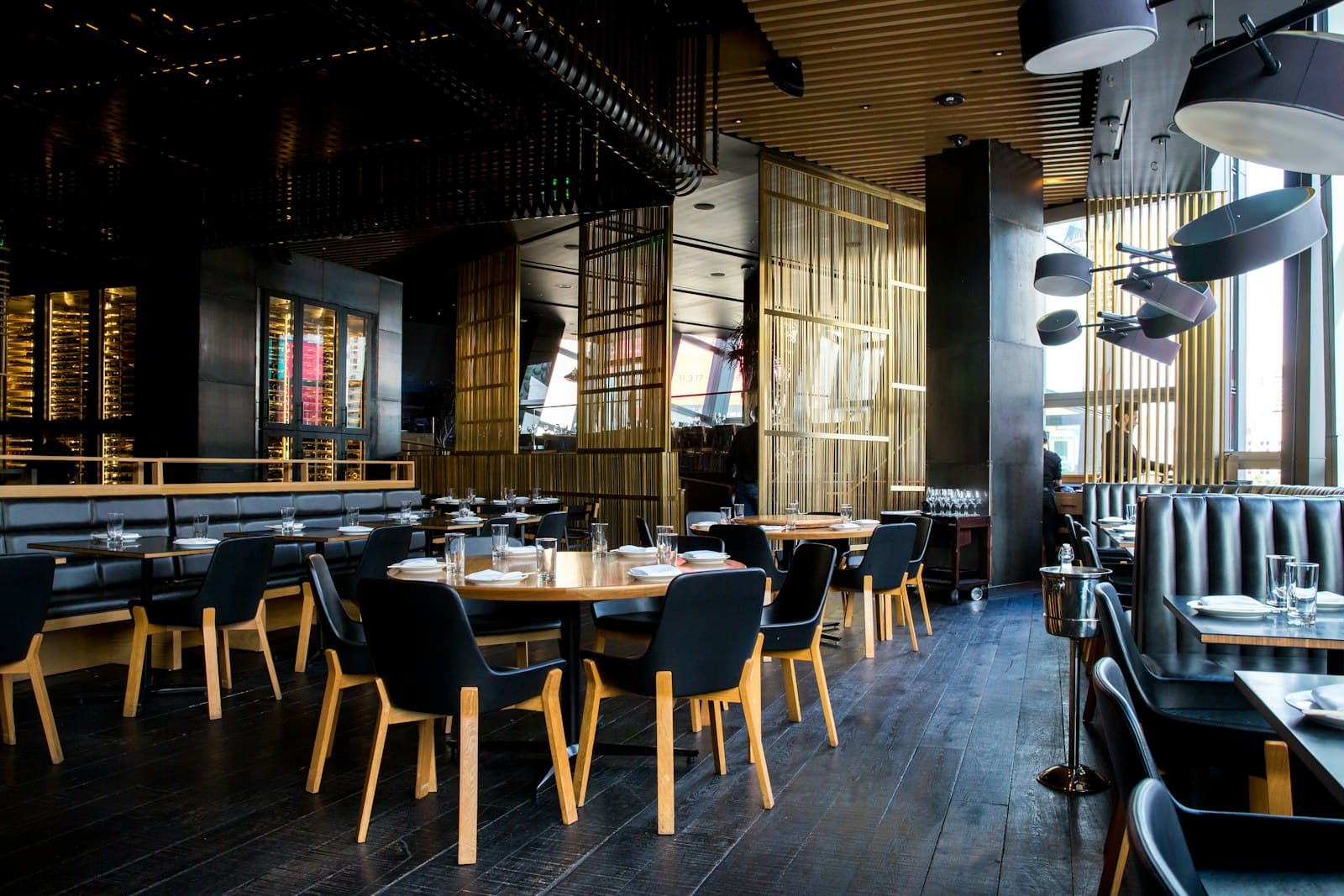
Image source: Unsplash
Keep pricing and availability fresh
Outdated menus hurt trust and ranking signals. Update dates when changes are made and keep hours, pricing, and seasonal items current.
Structure content for scanability
Good SEO structure also improves UX:
- One clear H1
- Section H2s
- Short item descriptions
- Internal links to reservations and contact
Fast, readable pages perform better for users and search.
Add strong local trust signals
Include:
- Address and service area
- Updated phone number
- Reservation link
- Neighborhood mentions where relevant
Make it easy for users to move from search to booking.
Final takeaway
Local SEO for menu pages is mostly fundamentals: crawlable content, local clarity, and current information. Clean execution beats hacks.